
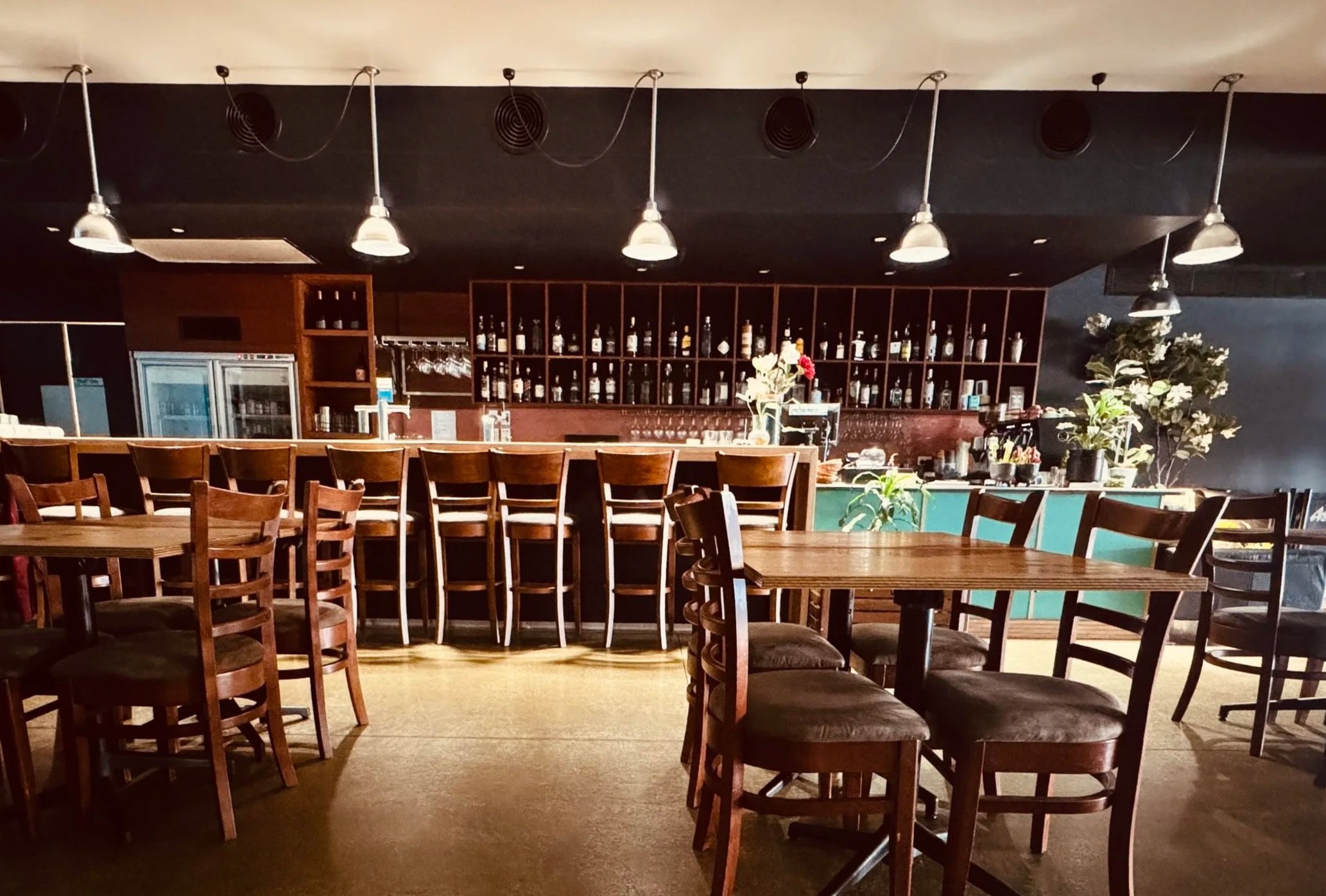
We believe in simple ideas, strong relationships, and lasting impact. That philosophy doesn’t stop at the food — it also shapes the room that surrounds it.
Meet George
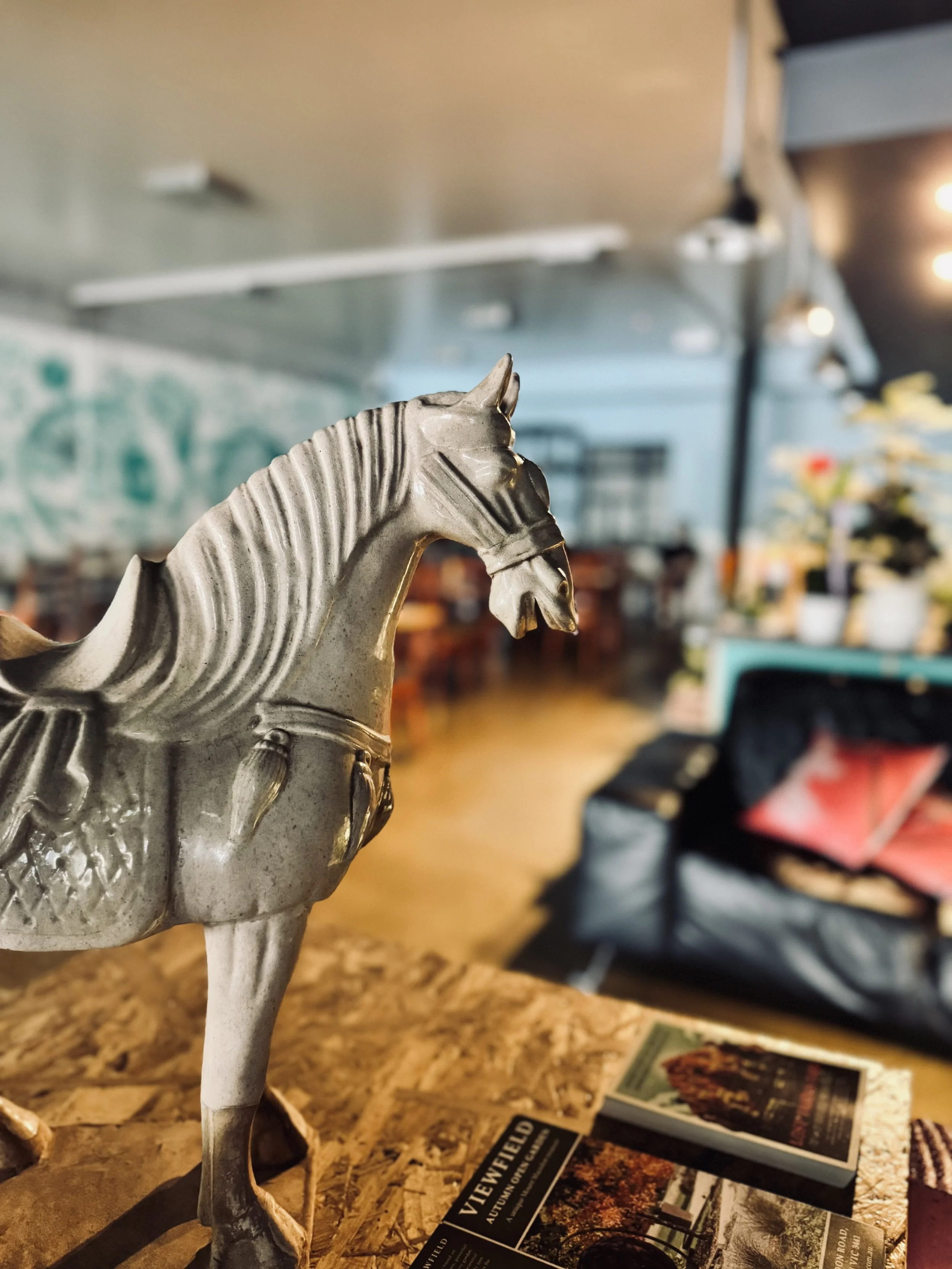
At The Flying Pigeon, many of the objects in the room carry a story. One of the most special is the horse that sits quietly in the restaurant.
Stephen brought this piece back from Xi'an during his travels. The city is famous for the remarkable discovery of the Terracotta Army, created more than two thousand years ago for Qin Shi Huang. Among the thousands of soldiers are powerful clay horses, standing alert beside chariots and cavalry — symbols of strength, movement, and endurance.
The horse in our front counter is a small tribute to that history. For us, it represents the journeys that shape who we are — the places we visit, the cultures we experience, and the stories we bring home.
Placed near the entrance of the restaurant, the horse is a quiet reminder that The Flying Pigeon itself was built through travel, curiosity, and connection. Just like the dishes we serve, the room is a collection of influences gathered along the way.
the lights
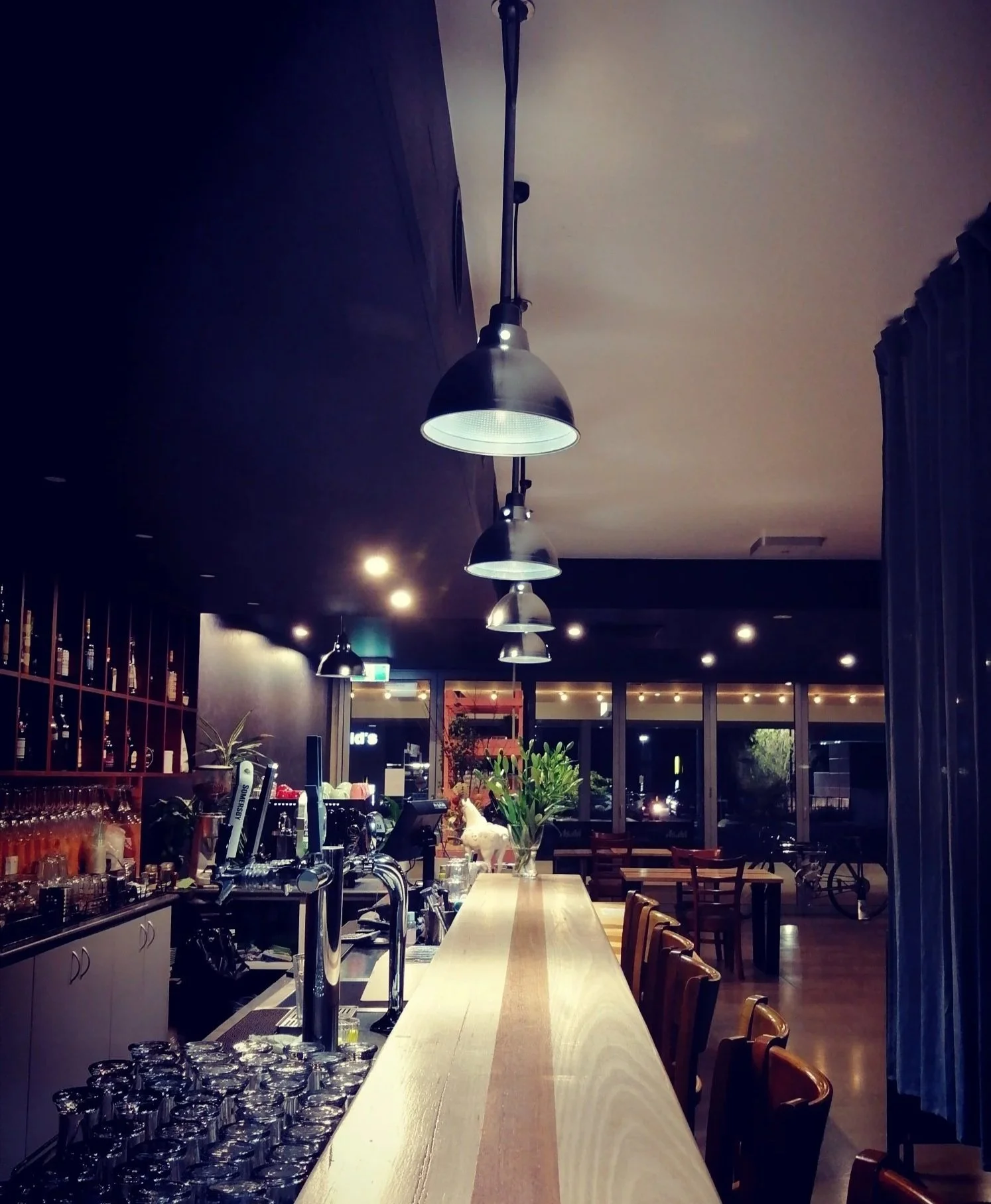
The light shades hanging above the bar carry a story of their own.
We first saw them in a market in Hong Kong — the kind of market where people stop by every day to shop for fresh fruits, vegetables, seafood, and meat. It was a place full of life: the sounds of vendors calling out, the colours of fresh produce, and the rhythm of everyday cooking. Among the stalls and shopfronts, these simple light shades caught our attention.
We loved their honesty. They were practical, humble, and part of the daily landscape of food and community.
During the years we spent living overseas, visiting fresh food markets became a ritual for us. No matter the city, markets were always where we felt most connected to a place — where ingredients, culture, and people come together. It shaped the way we cook and the way we think about food.
Bringing these light shades back with us was a small way of holding onto that philosophy. Today they hang above the bar at The Flying Pigeon, casting a warm glow — a quiet reminder of the markets we loved and the belief that good food always begins with fresh ingredients and the communities that gather around them.
The Mural
年年有余 — Nian Nian You Yu
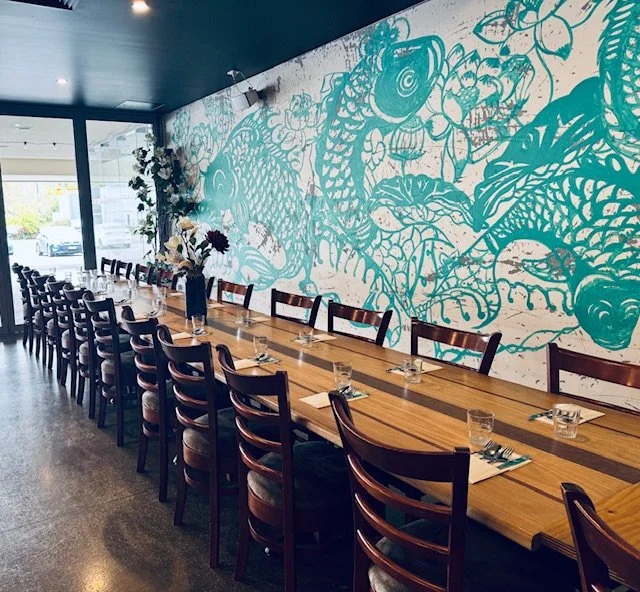
At The Flying Pigeon, many elements in the room carry meaning beyond decoration. One of them is the mural inspired by the Chinese saying 年年有余 — Nian Nian You Yu.
In Chinese culture, this phrase is a wish for abundance and prosperity year after year. The word “yu” (余) means surplus or abundance, and it sounds the same as the word for fish (鱼). Because of this beautiful play on words, fish have long been used as symbols of good fortune and plenty.
For us, the mural is a reflection of a philosophy that goes beyond food. Much like the idea behind “Nian Nian You Yu,” we believe that when a community thrives, everyone shares in that abundance. Restaurants are places where people gather — to celebrate, reconnect, and nourish both body and spirit.
The mural serves as a quiet wish for everyone who walks through our doors:
that there is always enough at the table, enough to share, and enough to carry forward into the year ahead.
It is our way of expressing a simple hope — that generosity, warmth, and good fortune continue to flow, year after year.
At The Flying Pigeon, the room reflects the same philosophy we bring to the kitchen — thoughtful, intentional, and always evolving.
When designing the space, Stephen wanted to make a clear statement about who we are. Rather than filling the walls with many different artworks, he chose to focus on a single, bold piece that would anchor the room. The idea was simple: one large artwork that speaks clearly about our identity as a modern Asian restaurant.
The mural stretches across the wall as part of the overall design of the room. It wasn’t brought in from elsewhere or chosen from a catalogue — it was created by us. The entire piece was hand painted by Stephen and Stephanie, becoming a collaboration that reflects both the creative and culinary partnership behind the restaurant.
By keeping the rest of the room restrained, the mural becomes a focal point — something that draws the eye without overwhelming the space. It sits naturally alongside the tables, the light, and the textures of the room, tying the whole design together.
Like the food we serve, the approach is simple but deliberate:
clear ideas, thoughtful execution, and a space that tells our story in its own quiet way.